

Description
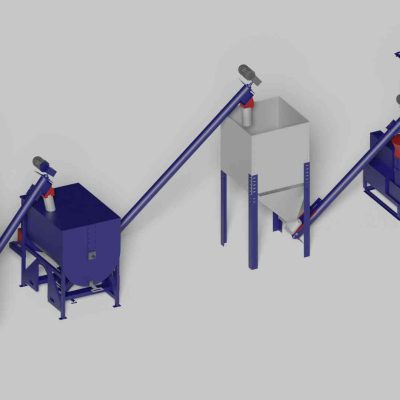
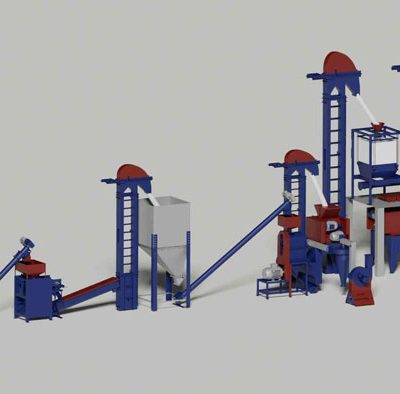
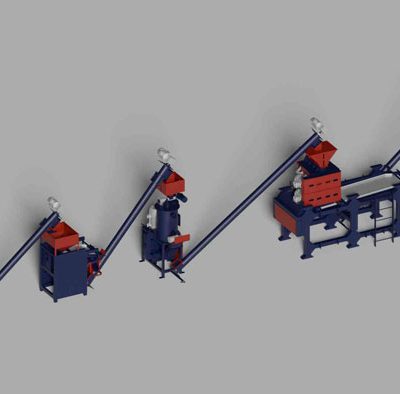
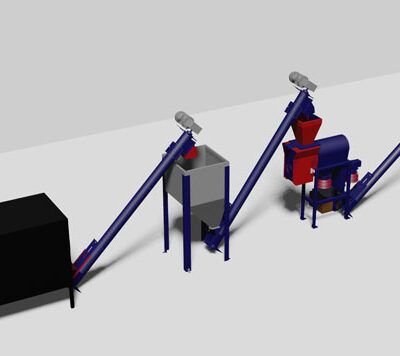
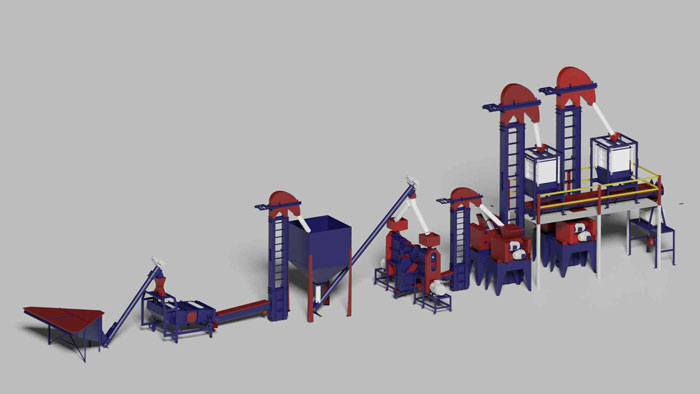
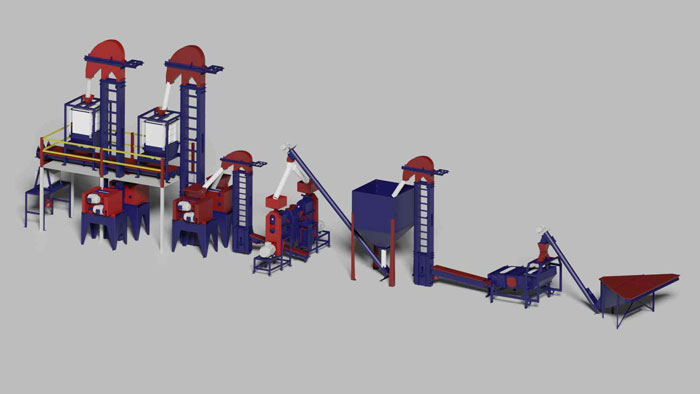
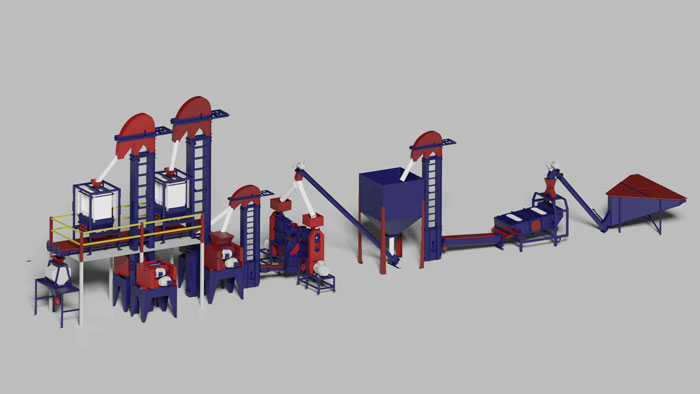
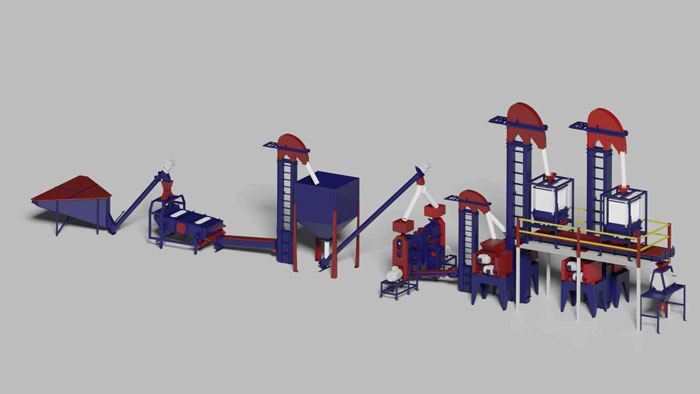
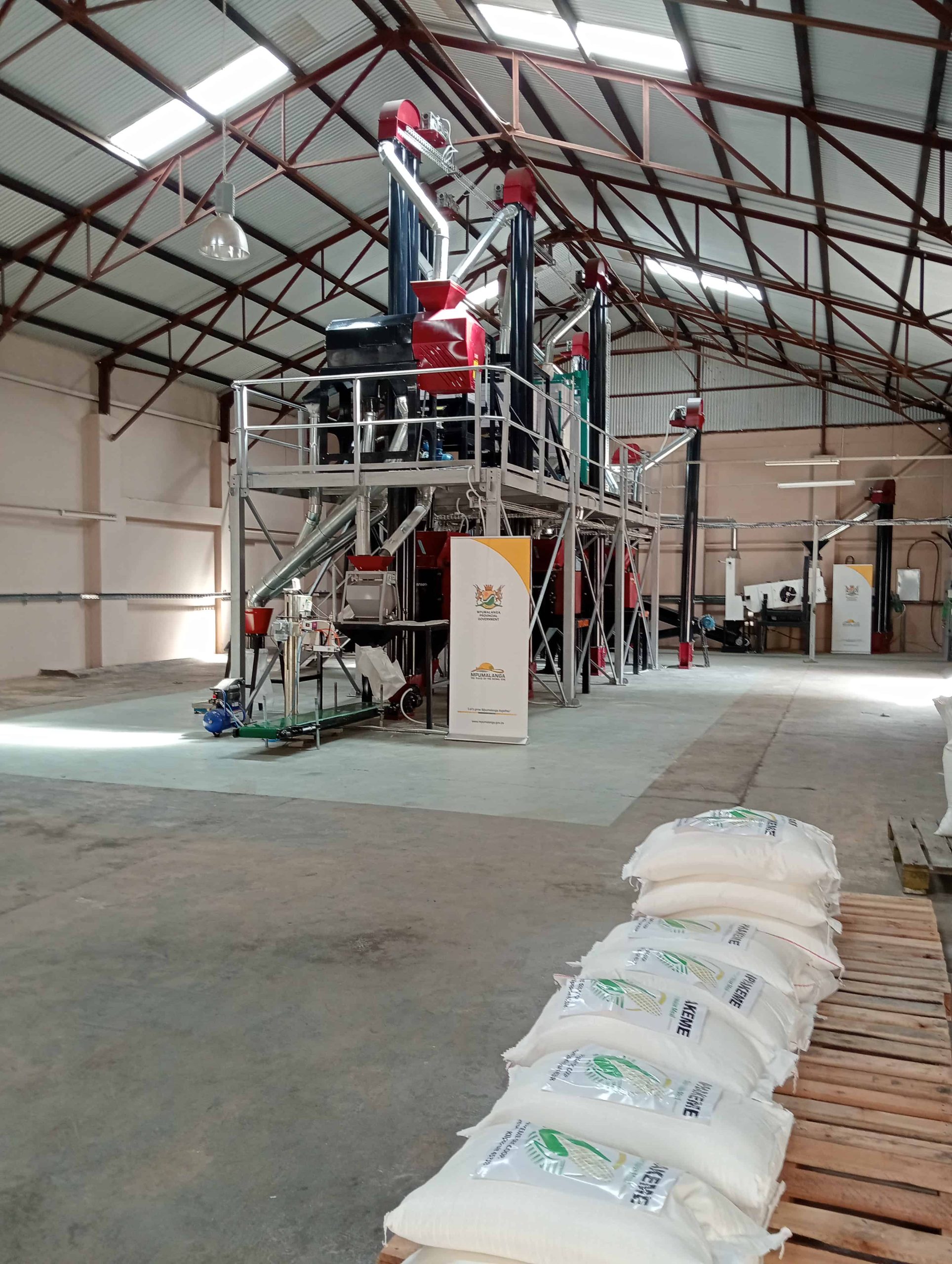
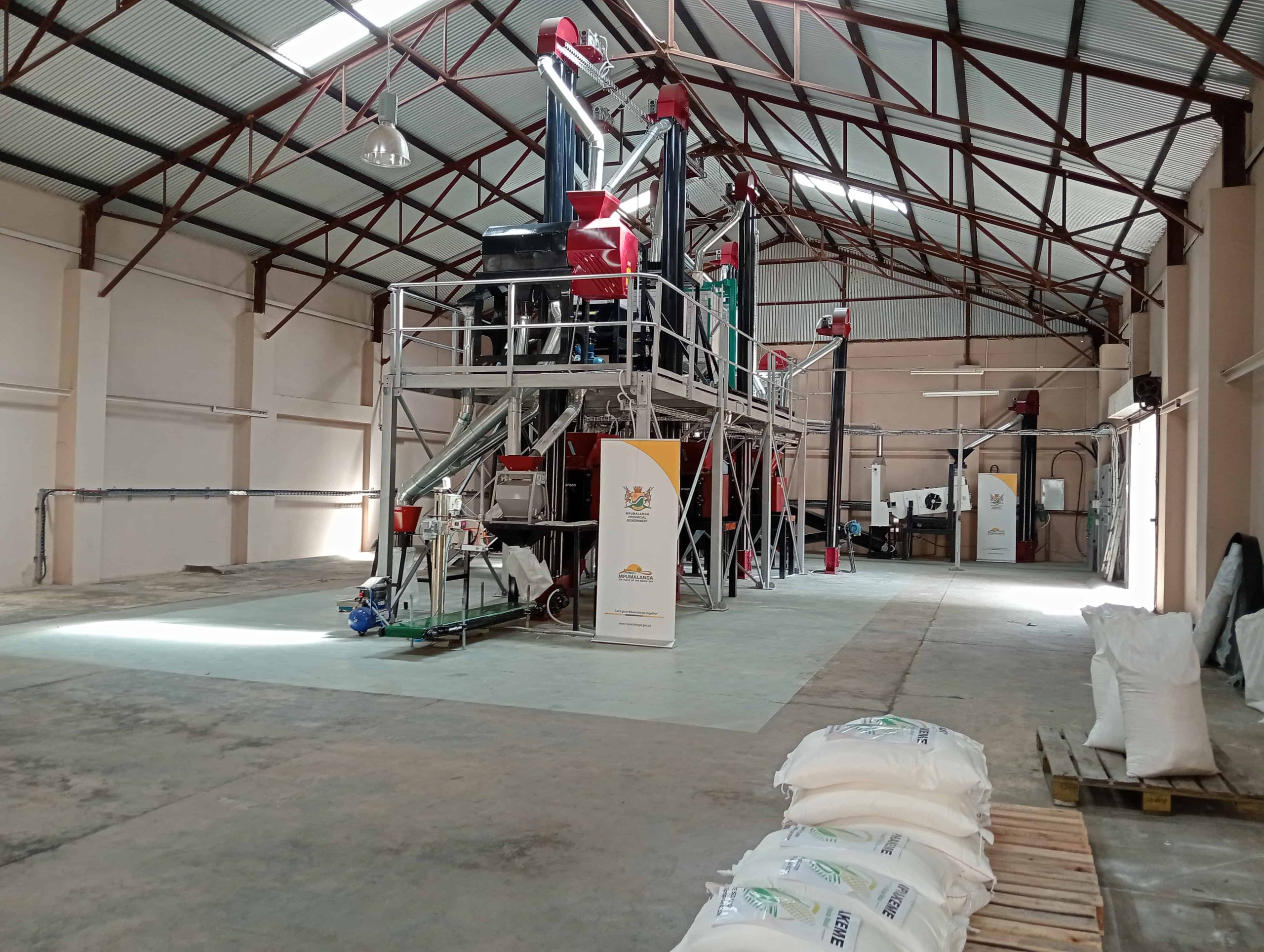
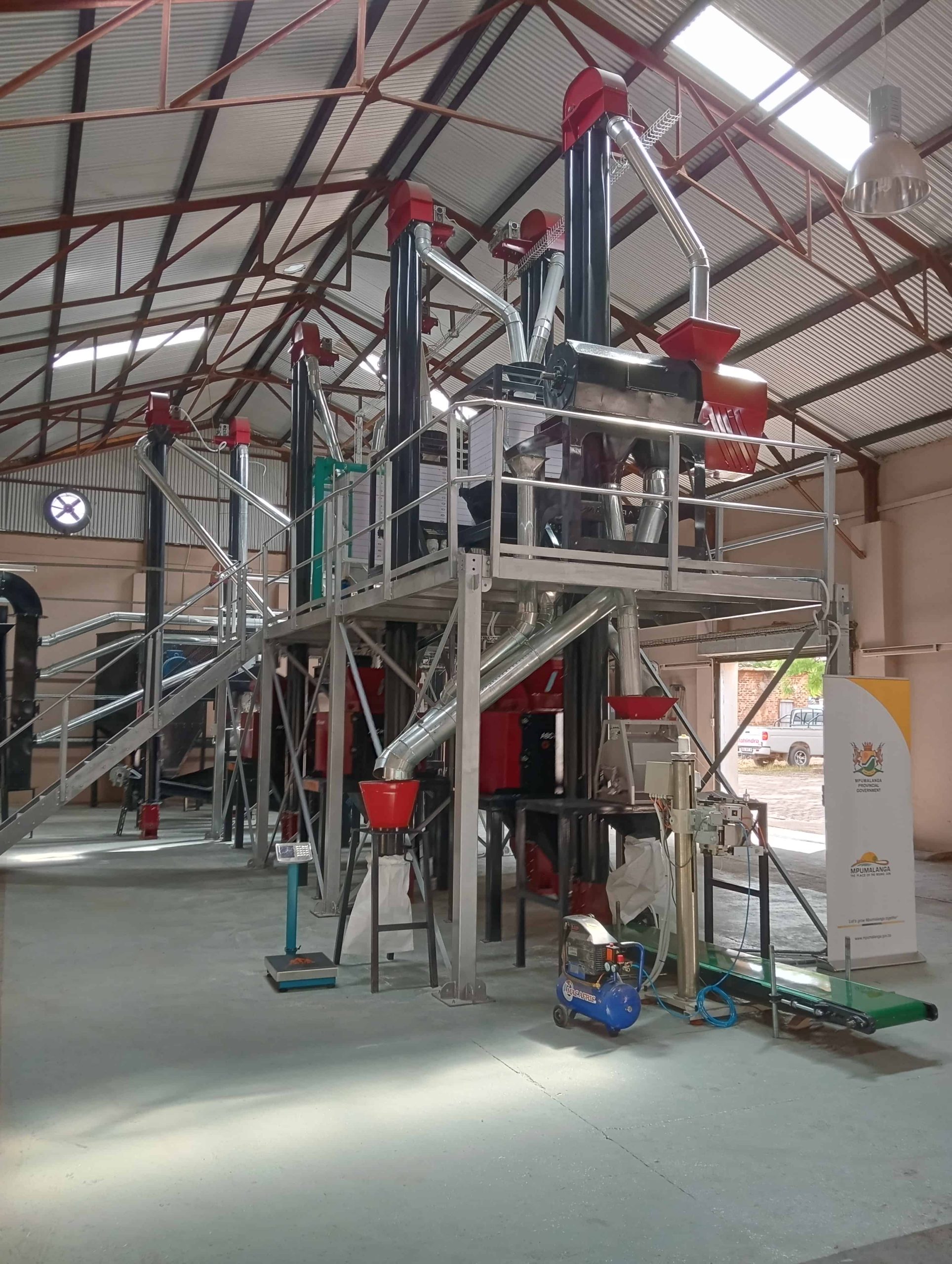
ABC Hansen Africa has developed over the past 20 years, a compact, single level Maize Milling Plant – to produce high quality, degerminated, super and special maize meal.
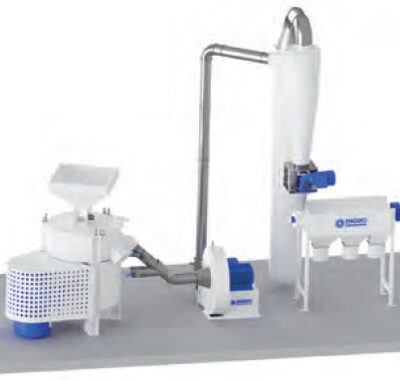
The advantage of using a roller mill instead of a hammer mill when milling the samp and chips – is an improved yield of strict definition super maize meal – as the roller mill mills using a cutting action, where the hammer mill uses a pulverizing action – thus the roller mill creates less fine particles – increasing the yield of super, and reducing the yield of special meal.
For an article on the types of maize meals and different milling options – see here: Milling Maize Options
The plant designed to be able to be installed in most warehouse and factory buildings, without special adjustments necessary to the floors or roof structures – to reduce the entry cost of owning a highly efficient maize milling plant.
A process flow is as follows:
The grain is received from silos or from bags via an auger that is speed controlled via a Variable Frequency drive – and fed into the Francolin Vibration cleaner where the maize is cleaned of over and under sized particles.
After cleaning, the maize is discharged into a dampener with a dampener control unit, which adds between 2% and 5% water to the maize – depending on initial moisture content – as well as the grade of maize.
After dampening, the grain is conveyed to a conditioning bin, where the maize is allowed to condition for up to 1 hour, giving time for the water to penetrate the outer skin of the maize, making it more elastic, allowing the degerminator peel the bran off the endosperm in large pieces, increasing the yield and the efficiency of the degerminator.
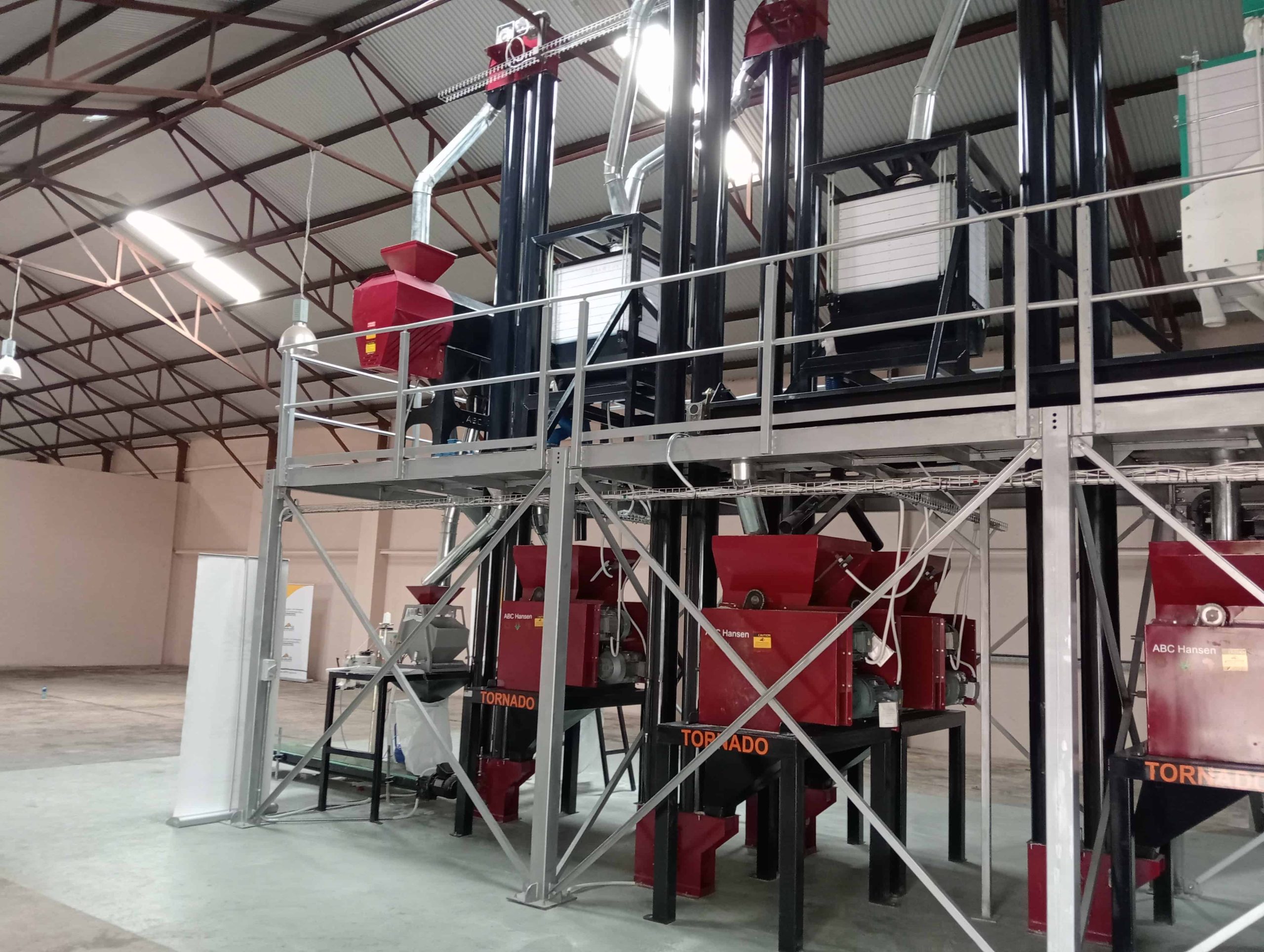
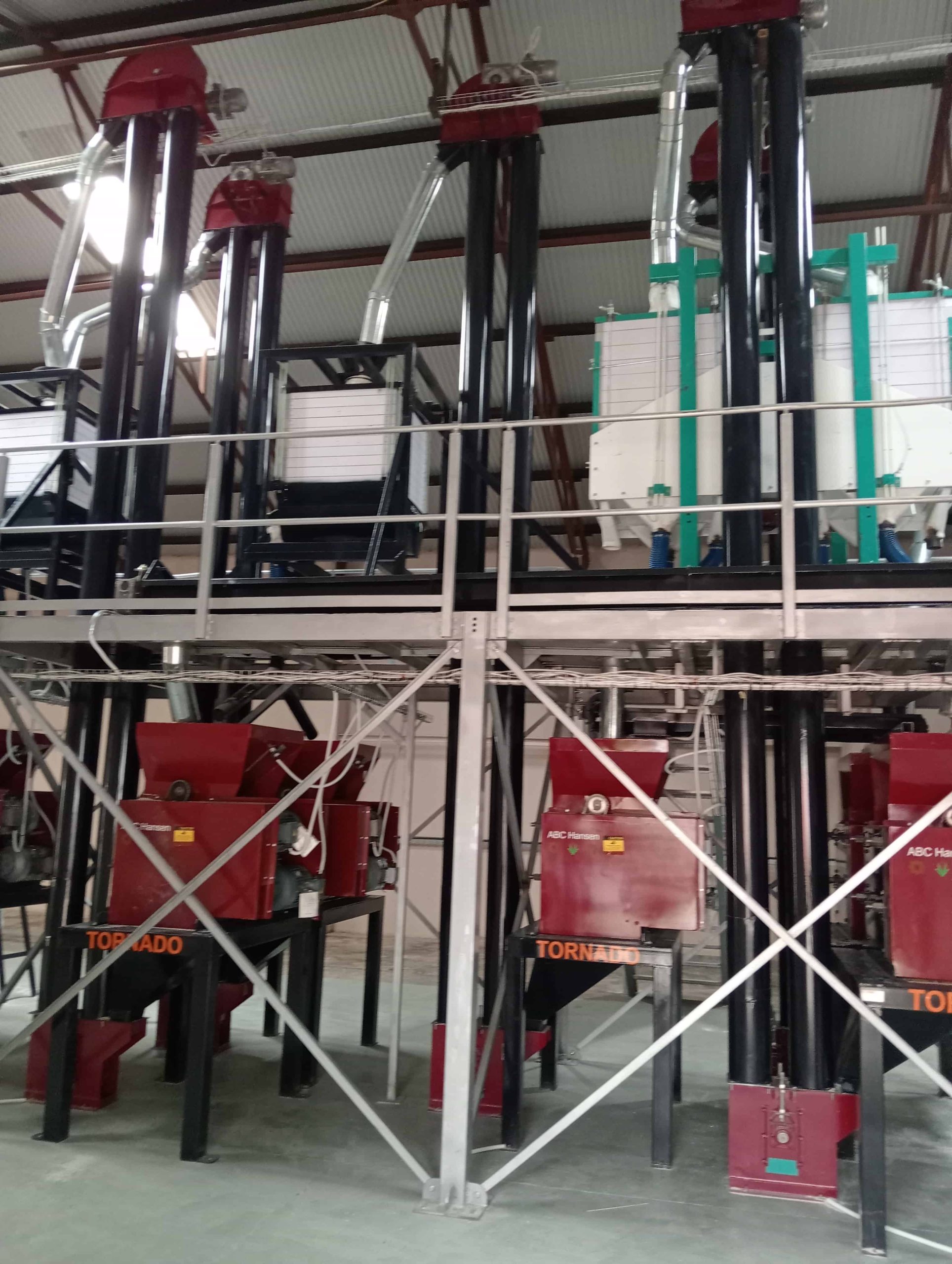
After conditioning, the maize is conveyed from the conditioning bin to the 2 x 1.5TPH Degerminators which removes the bran and the germ meal (commonly referred to as hominy chop) from the maize kernel , discharging these byproducts from the degerminator, while the samp and chips (degerminated maize) are discharge through aspirators to remove the remaining bran and germ meal by air, and are then collected and conveyed to the first roller mill.
The two Hurricane double roller mill then mill down the samp and chips to a maize meal, and the meal is then conveyed from the roller mills to the first section of the N-Type sifter – which sifts the meal into three breaks – being oversized, undersized – and super quality.
The oversized particles are then passed to the next set of roller mills, where they are milled again, and are then finally sifted in the second section of the N-Type sifter.
Again – the resulting meal from this final sifter – is split into three – being super maize meal, and then the oversized and undersized meals. Here the oversized and undersized meals are combined – and run to the B quality bag off point. The super quality – is then conveyed to a bagging scale, where it is bagged off – as the final product.
Optionally – you can add a dosting unit to the system, for the addition of essential minerals and vitamins – as is required in certain jurisdictions.
The entire plant is controlled from a motor control centre, which is included in the price