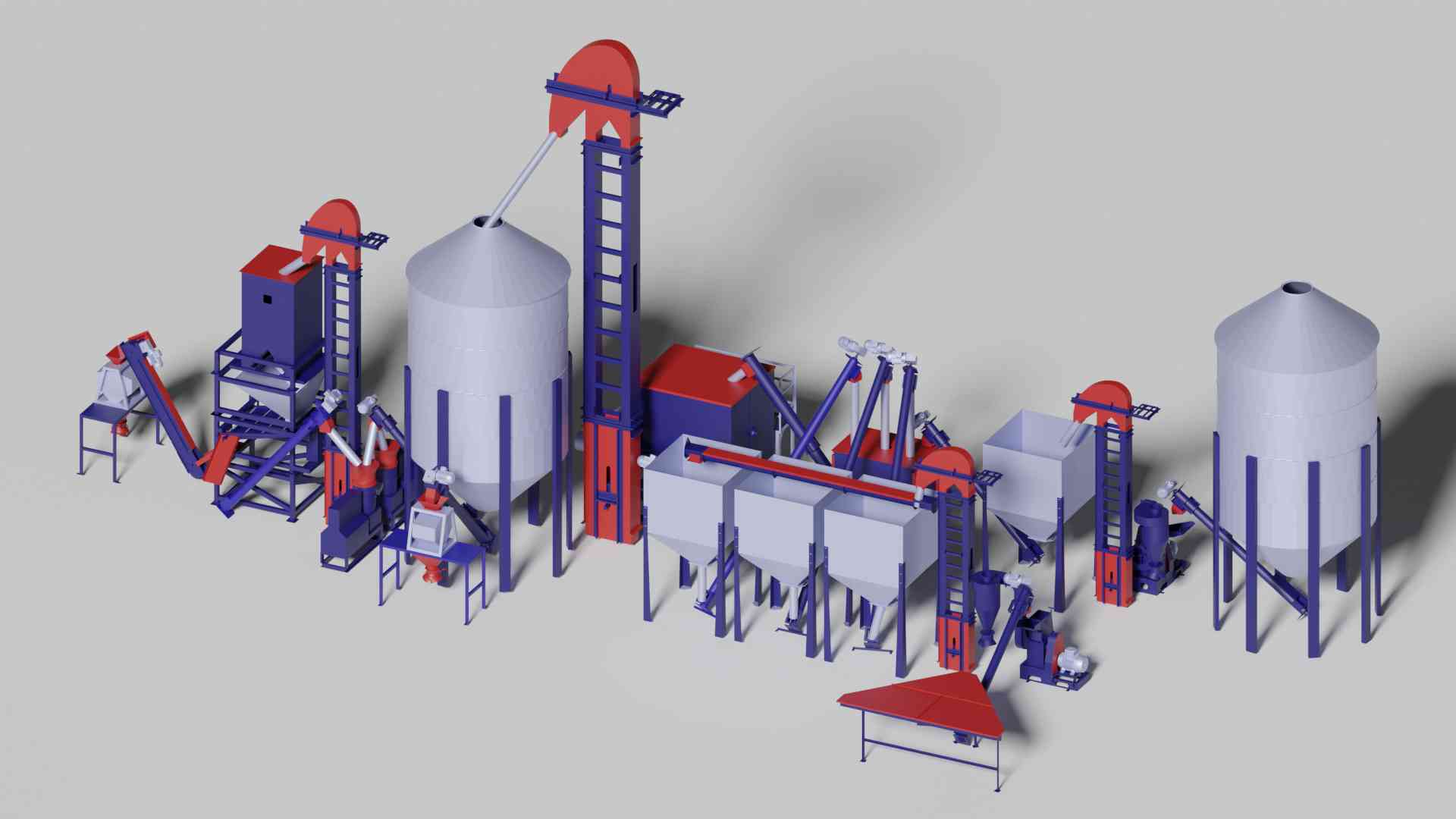


Description
ABC Hansen’s feed milling solutions will assist you in producing the highest quality feed and to make optimal use of your commodities and energy. With ABC Hansen as your equipment supplier, with a proven track record in the feed industry, we will make sure that you make a success in production of your animal feed.
ABC Hansen’s feed milling equipment provides theability to mill, mix and pellet feed for various animals, including cattle, poultry and pigs. We offer a complete equipment and accessories solution for your feed mill.
ABC Hansen continuously strives to improve on designs, flows and safety by improving our manufacturing processes, as well as by continuous communication with our clients – to see where we can improve efficiencies and reliability.
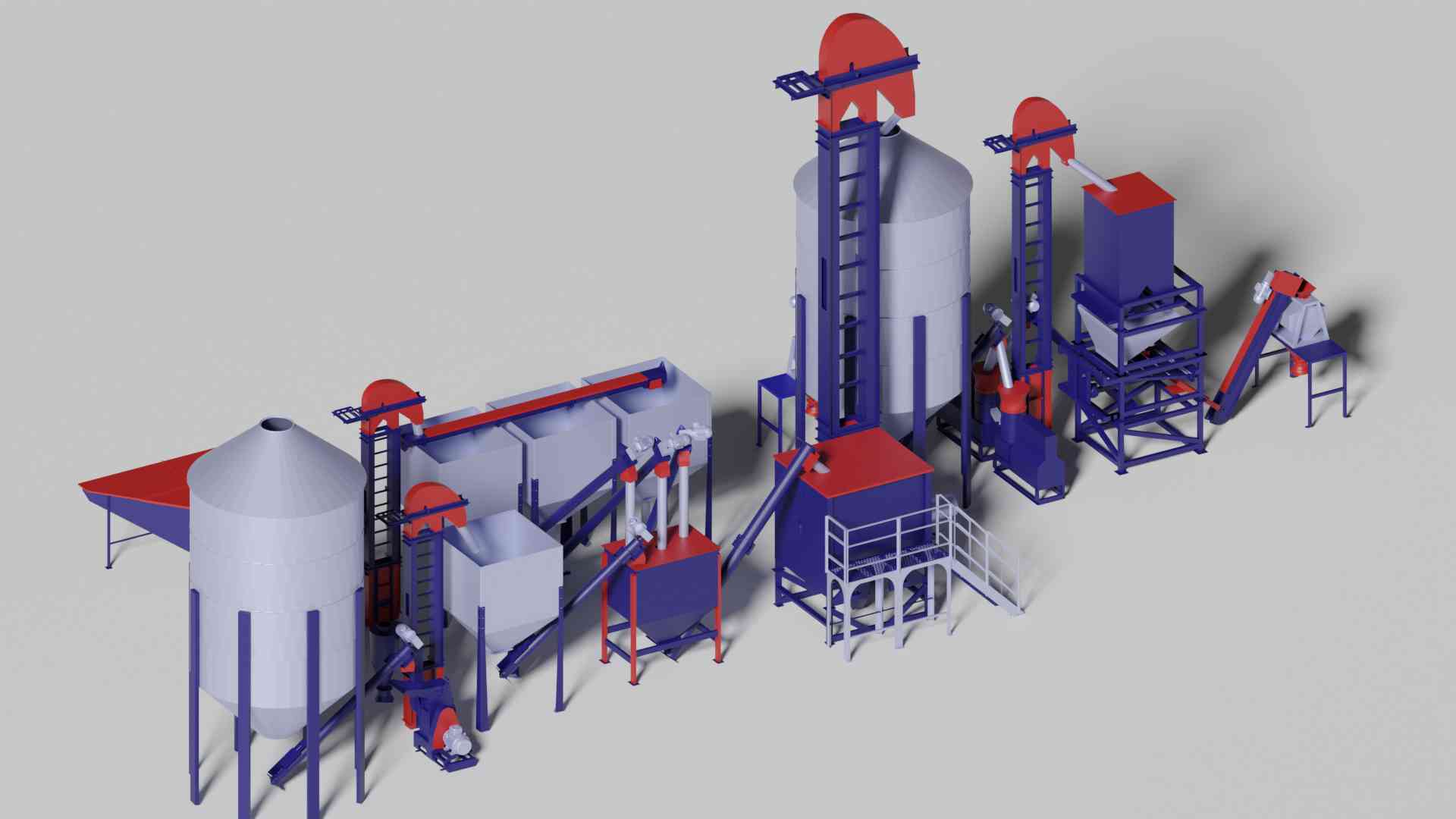
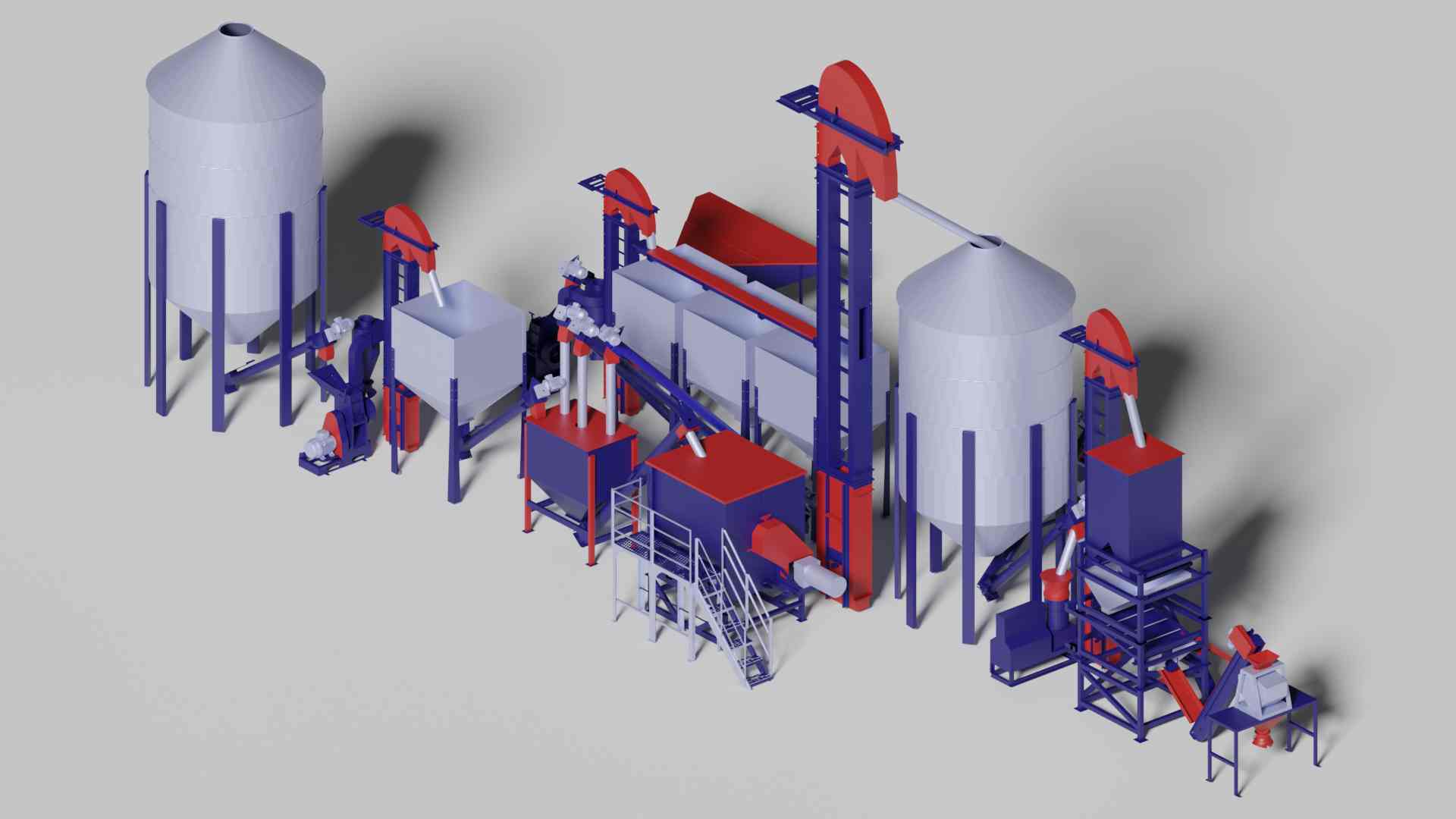
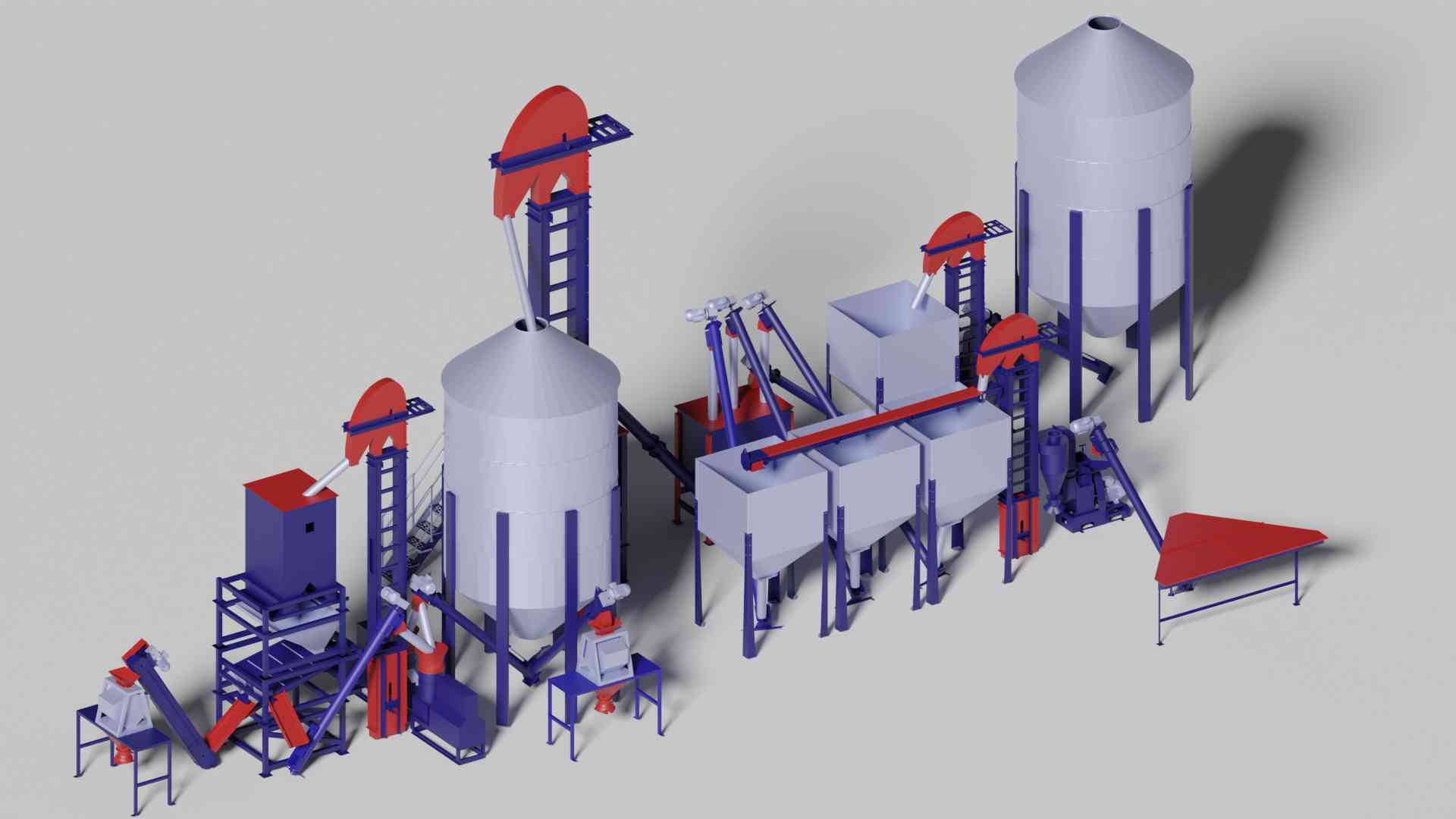
ABC Hansen Africa has developed as part of our feed milling equipment line, a complete line for the production of high energy feed, usually utilised in the production of poultry (both meat and egg production type feeds) and pig feeds (for either complete dry feeds, or additive feeds in liquid feeding systems), with a simple yet effective design, for medium capacity feed mill operations with a capacity of 3TPH. To download a technical datasheet and more information – click here – Feed Mill Technical Sheet:
The mill is also available in a simplified version – without pelleting – for just producing mash type feeds – please state in your enquiry if you would prefer a mash only type system.
The system is a completely automated batching process, controlled by our in-house designed Compri-Batch batch controller. By having the entire batching process automated, users will be able to produce reliable, repeatable results on their feed mixtures – taking out the risk for human error. The only responsibility for labour in the system would be in the raw material silo filling function and during packaging.
The Compri-Batch controller is able to batch up to 10 different ingredients, for up to 10 different recipes.
All raw material is milled down to a similar particle size before entering the raw material bins, using the proven – Hippo 57 Hammer Mill, and from the batching bins are batched into a weighing bin that is mounted onto load cells – which feed back to the batch controller, which then stops and starts each raw material bin’s unload auger, or raw material tank’s discharge pump – depending on the recipe – when the required quantity has been loaded into the weighing bin.
Once the batching has been completed, the controller opens the weighing bin’s discharge gate and discharges the batch into the waiting 3000 liter Blender. Blending time is usually around 4-5 minutes, which runs on a timer – once mixing time is completed, the controller opens the mixer(s) discharge gates, and the mixer discharge to the post blending silos.
From the post blending silos, the operator can select to either discharge the mash feed to a packaging line, or to send the mash feed further to be pelleted and cooled in the pelleting line.
The mash feed is then pelleted using either flat die or ringdie type pellet mills, which discharge into a single bucket elevator, which then ejects the material to a counterflow pellet cooler, where the pellets are cooled down rapidly using ambient air – driven by a centrifugal fan – to prevent breakage of the pellets and condensation on the pellets.
After cooling – the pellets are discharged directly from the cooler onto a grading screen to remove any broken pellets and unpelleted material from the pellets before further processing, and fines are returned directly to the pellet mills for reworking
The grader outlet under the cooler is also then fitted with a selection valve, to either discharge the pellets directly to a bucket elevator, which will load the packing silo at the end of the line, or otherwise the pellets can be discharged to an optional roller crusher – the roller crusher then crushing the whole pellets down to produce what is known in industry as crumbs – which are normally fed to smaller animals, which would benefit from feeding on a pelleted type feed.
Packaging of the mash, pellets and crumbs are as standard quoted for the semi-automatic packaging into either 25kg or 50kg bags
Horizontal layout feed mills
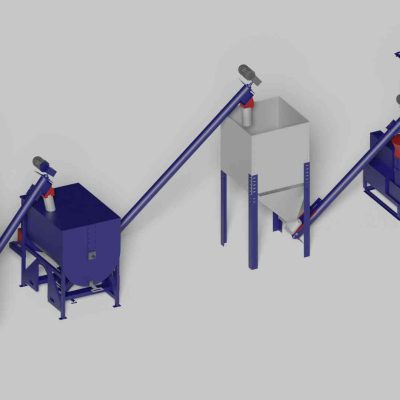
Feed mills are typically built either in horizontal or vertical designs. The vertical design is done by placing the equipment in multi-story buildings or towers, where product has to be lifted to the top, and then flows downwards as it passes through the production stages – while the horizontal design is based on placing as much as possible of the equipment on the floor After buiilding and working on many feed mills, ABC Hansen has selected the horizontal layout. The advantages of a horizontal layout are:
• Increased accesibility to machines – means easier and more reliable maintenance
• Increased productivity – as floor personell and material moving equipment are able to move around the plant much easier
• Horizontal plants can usually fit into existing – general purpose warehouses and buildings, where vertical feed mills usually require a purpose built building to house them.
Technical specifications
| Input capacity | 3 000kg |
| Output mash | 3 000kg or |
| Output pellets | 3 000kg |
| Pelleter type | 2 x Flat die 30KW |
| Cooler type | Counterflow cooler |
| Blender type | Horizontal Paddle Type 3000liter |
| Milling Type | Hippo 57 Hammer mill |
| Hurricane Single Crusher 200mm (optional) | |
| Batching system | CompriBatch PLC – Unitronics |
| Electrical usage | 180KW (excl Steam generator) |
| Electrical supply | 380V ±10% / 3 Phase /50HZ |
| Feed types produced | Mash / Pellets / Crumbs |
| Material handling | Elevators + Augers |
| Bagging | Tipcale mechanical weighers |
| Footprint | 25m(L) x 12m(W) x 9m(H) |
| Optional steam requirement | 150kg/hr @ 0.4BAR |